Itacoatiara, Brazil, and Nazaré: two types of challenge in tow-in
Itacoatiara, Brazil, and Nazaré: two types of challenge in tow-in
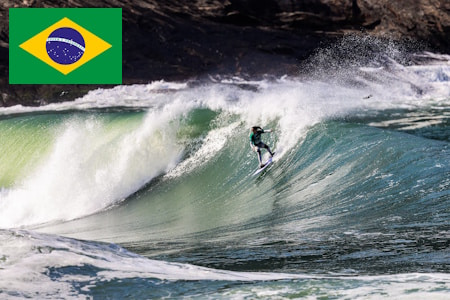
Itacoatiara Big Wave 2026 (IBW) brings the Brazilian beach closer to Nazaré’s competitive tow-in scene, but on a shorter, faster, more hollow wave closer to the shore
Across the Atlantic, at Itacoatiara Beach, in Niterói, Rio de Janeiro, Brazil, the eighth edition of the Itacoatiara Big Wave (IBW) has its competition window open. The Brazilian event is contested in tow-in, a format that creates a direct connection with Nazaré on the international big-wave scene.
According to IBW executive director Alexey Wanick, Itacoatiara and Nazaré are currently two locations that regularly host competitions in this format. The similarity, however, does not make the waves equivalent.
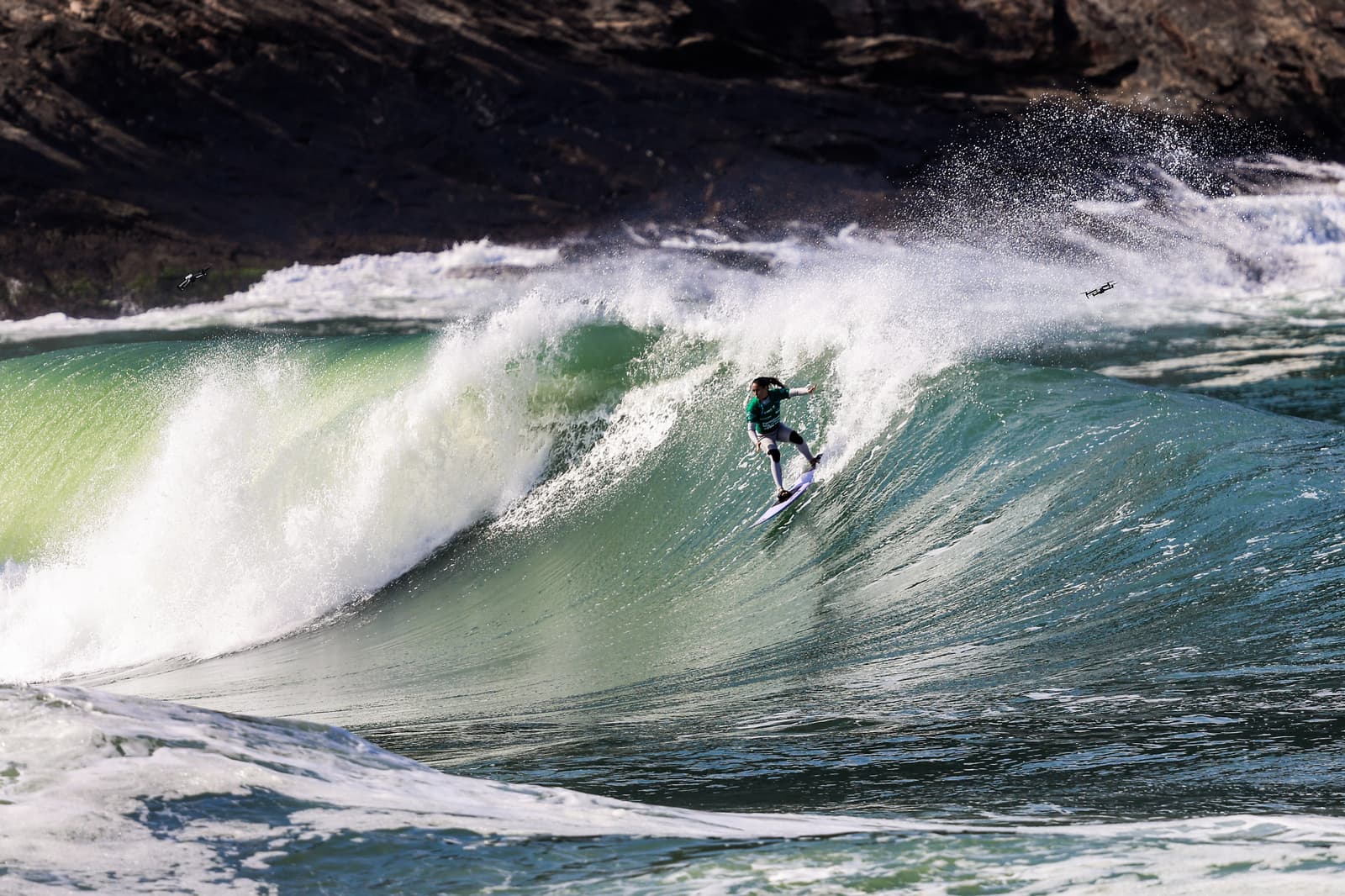
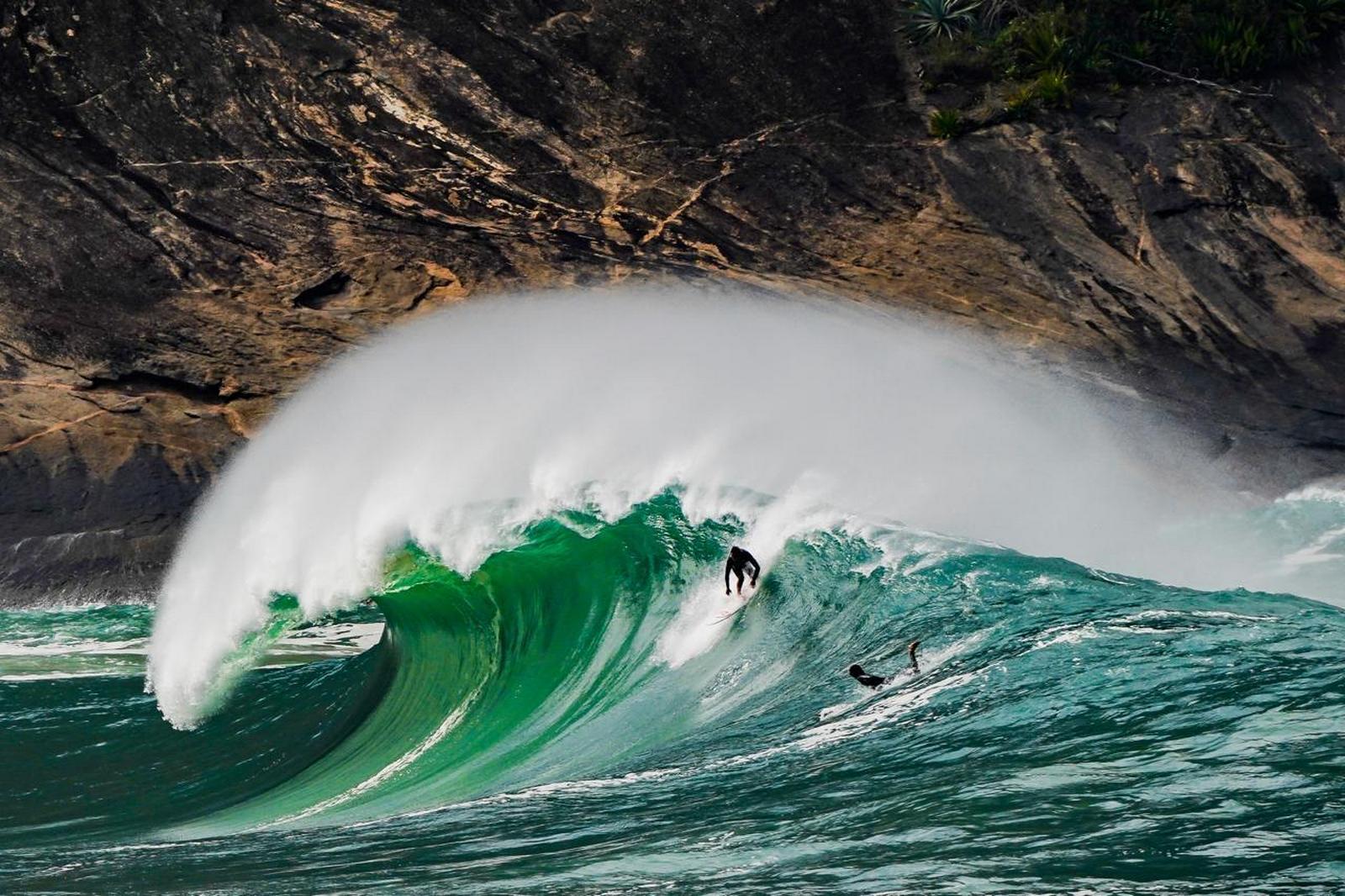
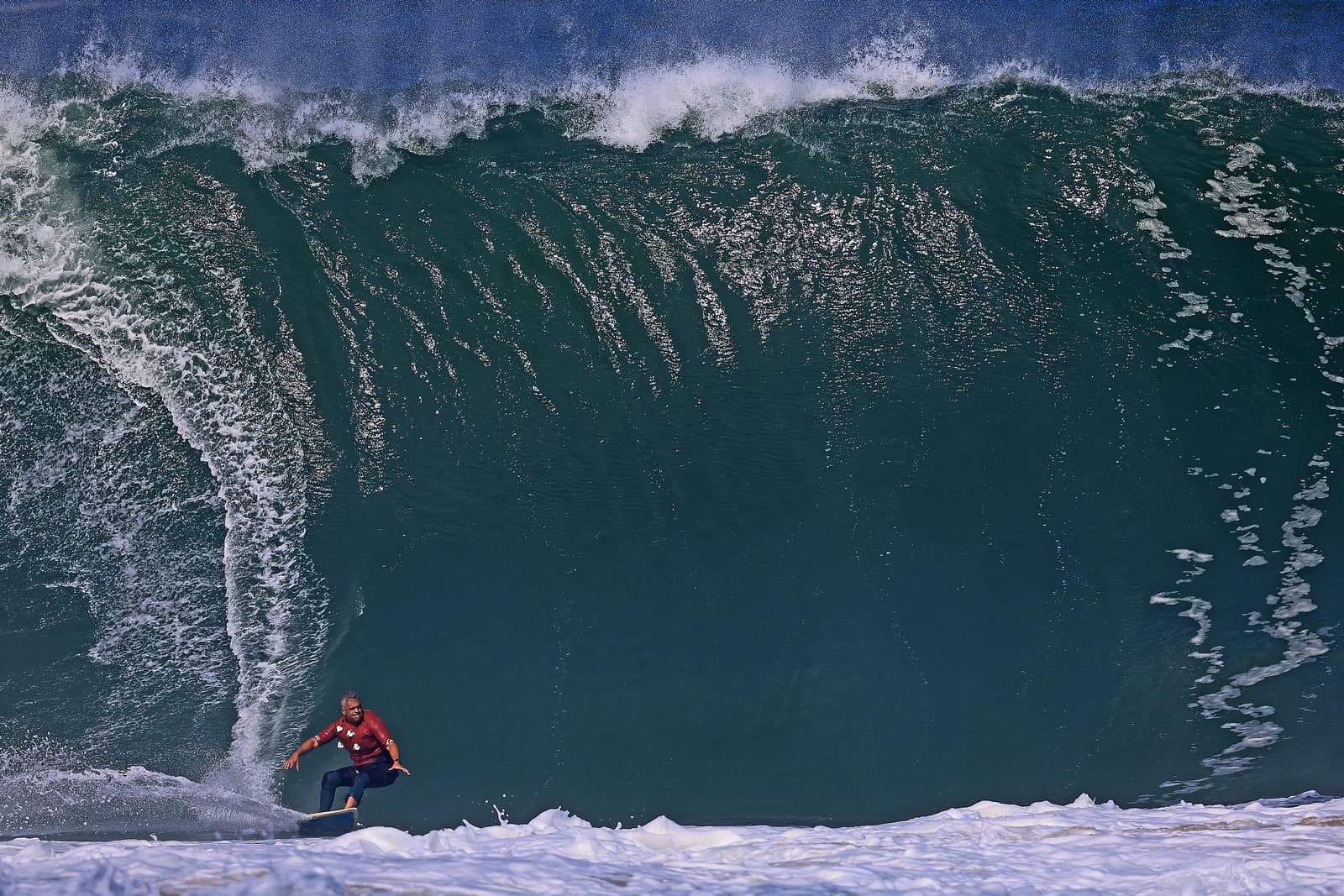
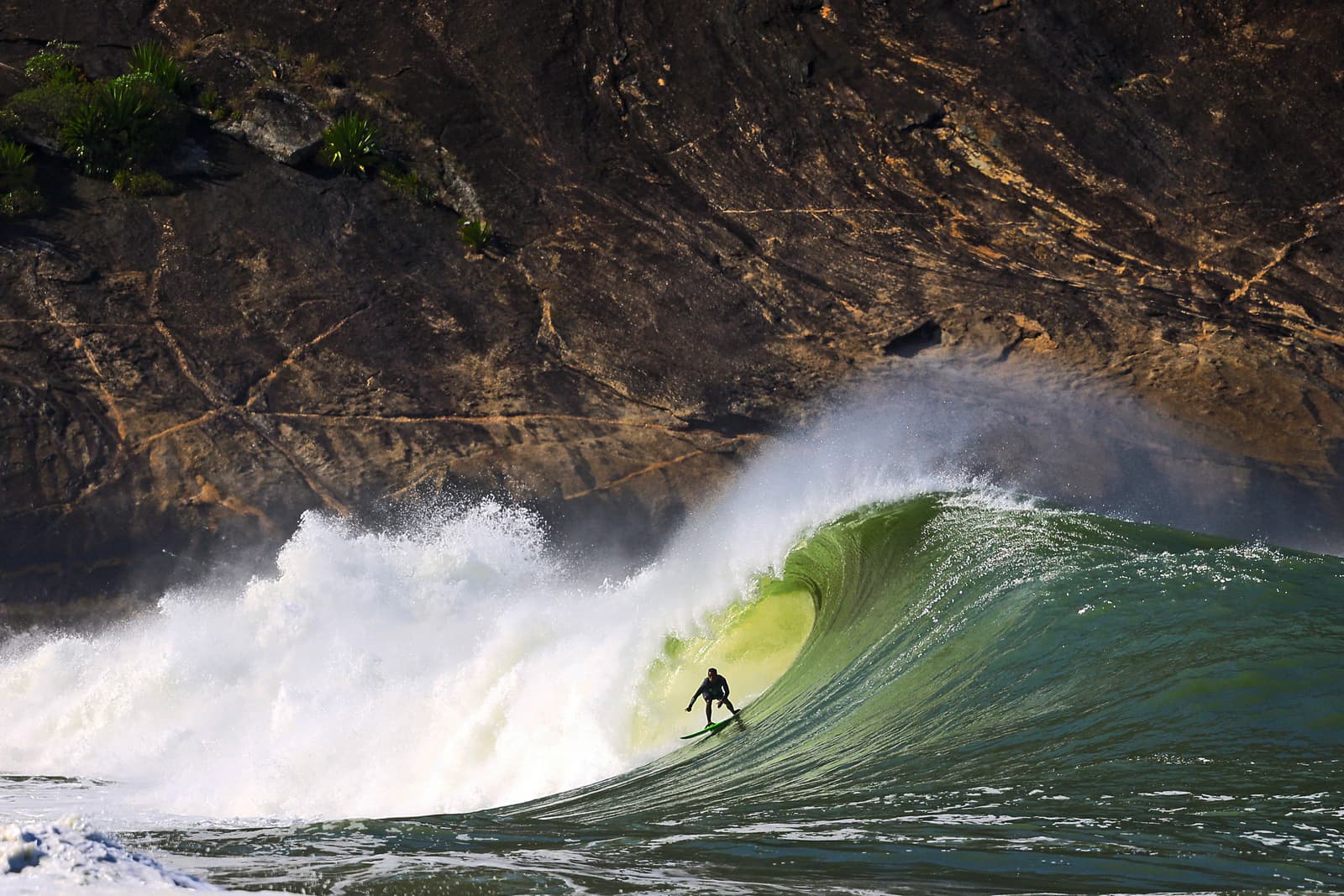
Nazaré reaches much greater dimensions and its formation is influenced by the famous underwater canyon. Itacoatiara presents a different type of challenge: smaller but faster and more hollow waves, with the possibility of barrels, a variety of manoeuvres after the drop, and little space between the breaking wave and the shore.
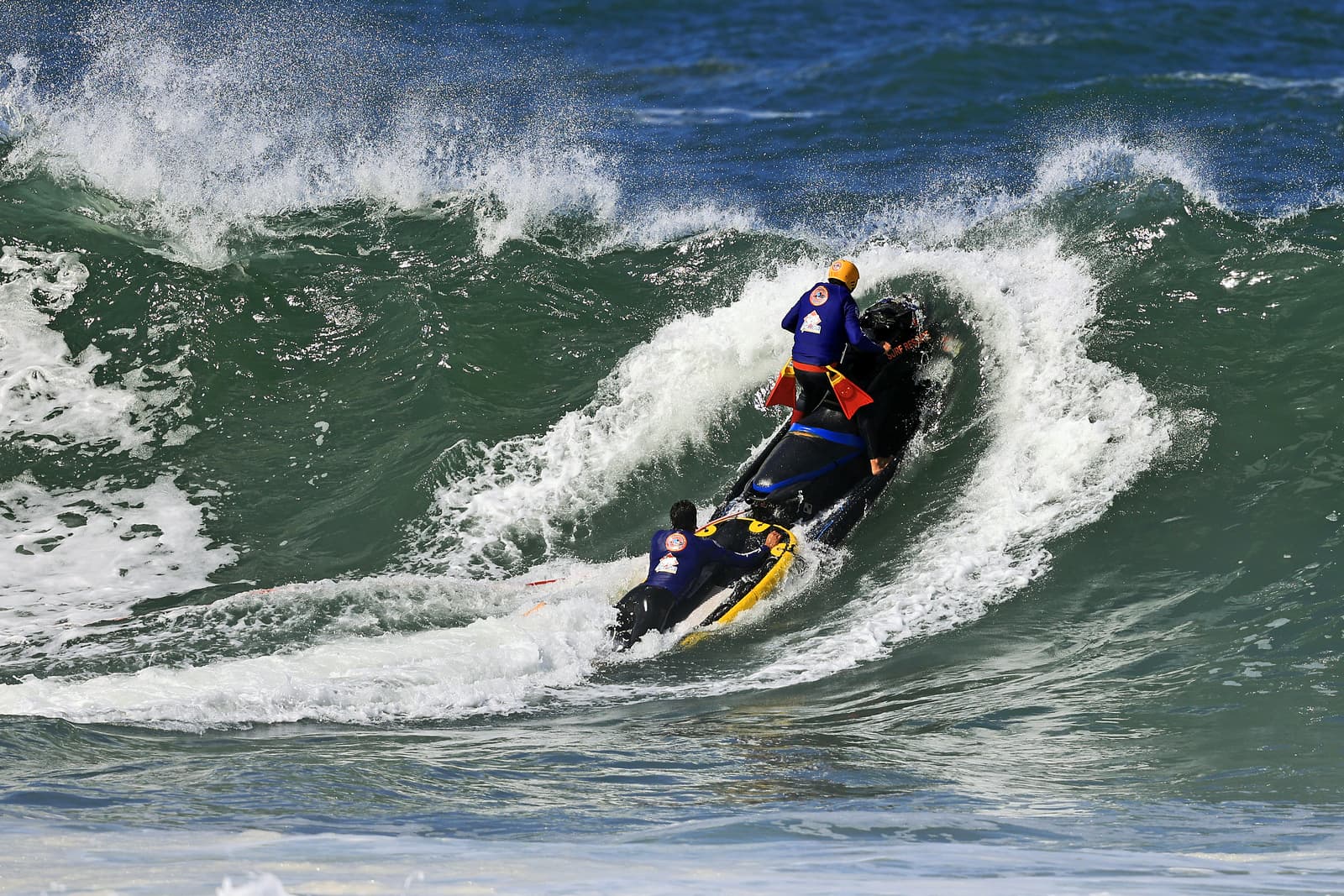
“In many big swells at Itacoatiara, it is extremely difficult to surf a wave by paddling. With the support of a jet ski, surfers can not only ride waves they otherwise wouldn’t be able to, but also perform at a high level thanks to the smaller boards they use,” says Alexey.
Barrels, speed and power
Itacoatiara is known for its power and the rapid changes in conditions around the shallow sandbank. Guilherme Herdy has followed the beach’s behaviour for decades and highlights the strength of the wave.
“Itacoatiara is a very powerful wave, a wave that concentrates a lot of energy,” he says.
Gabriel Sampaio, who grew up at Itacoatiara, considers getting barrelled one of the main performance goals, while also highlighting the opportunity to perform big manoeuvres thanks to the wave’s power.
Michaela Fregonese directly relates the experience of surfing Itacoatiara to preparing for other major international big-wave spots.
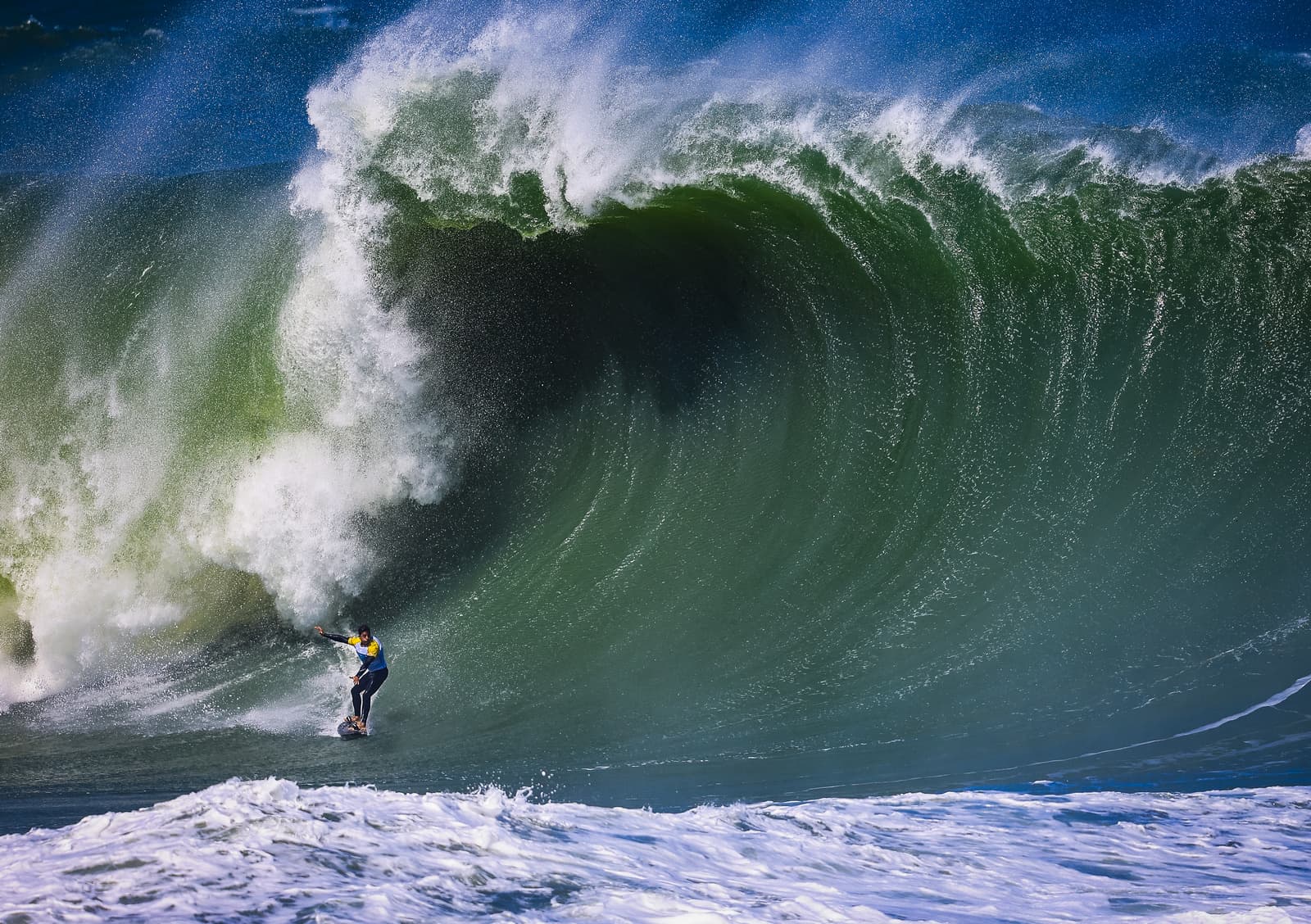
“It’s an extremely heavy, hollow, powerful wave. Every time you surf Itacoatiara, you prepare yourself for waves like Nazaré and Jaws,” she says.
In addition to the power, surfers have to deal with bumps, surface irregularities that can throw an athlete off balance at high speed. Reading the wave therefore becomes essential to quickly decide whether to go for the barrel, perform a manoeuvre or escape the most critical section.
Fear does not depend only on size
The 2022 IBW tow-in champion, Wylliam Santana, returns to the competition and acknowledges that the respect for Itacoatiara does not diminish simply because the wave is smaller than Nazaré.
“When they talk about Itacoatiara, my heart races in the same way. Of course, the size of the wave is different, but the respect for the ocean and the fear are the same.”
One of the difficulties is predicting how the wave will react as it reaches the shallow sandbank. An apparently perfect formation can change rapidly during the take-off, becoming dangerous.
The comparison with Nazaré, therefore, is not only about height. While Praia do Norte has become a global reference because of the sheer scale of its waves, Itacoatiara presents a different challenge: concentrated power, speed, barrels, rapidly changing formations and little space between the breaking wave and the shore.
The IBW 2026 competition window remains open, with no date yet confirmed for the first session.
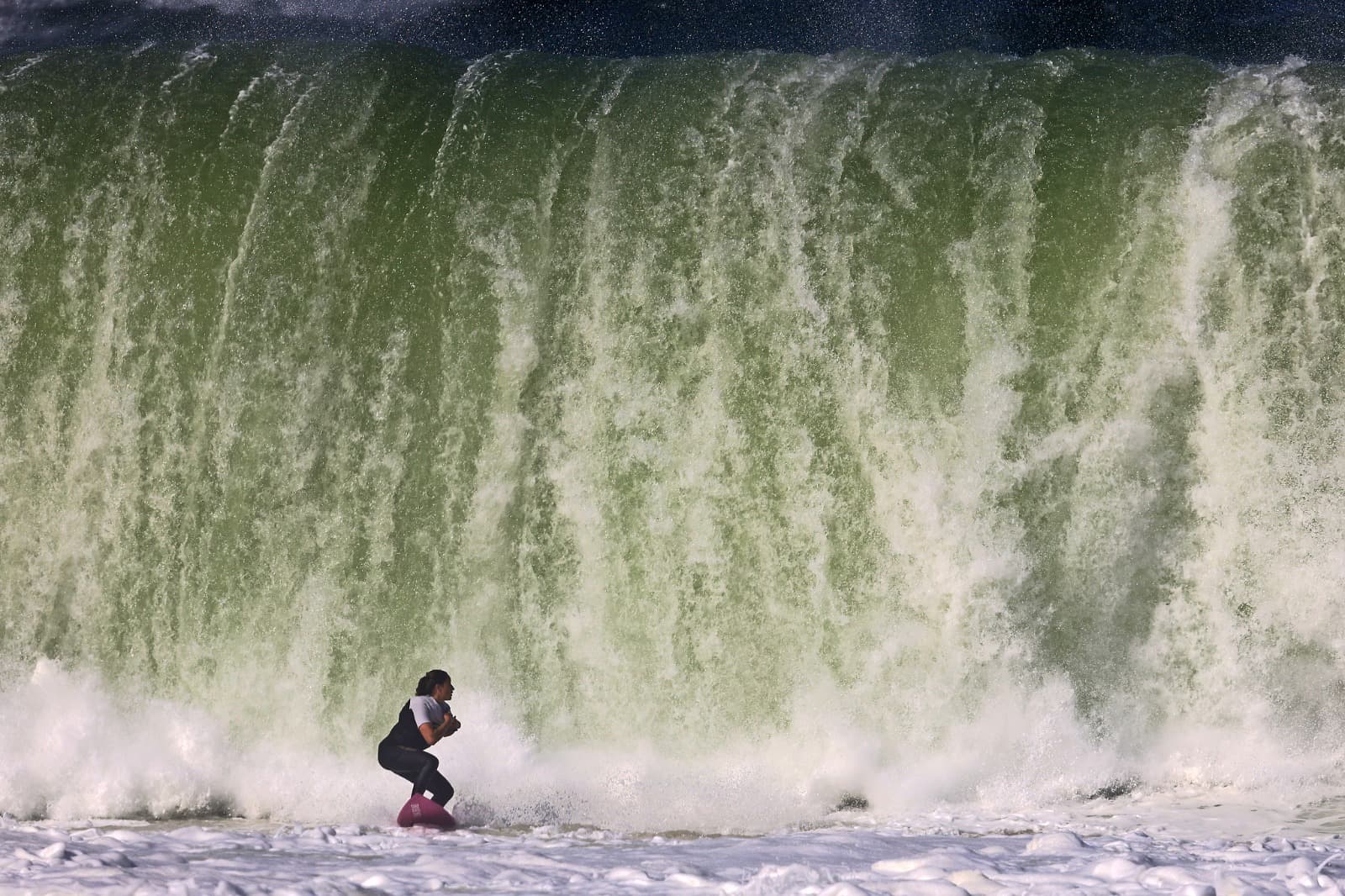
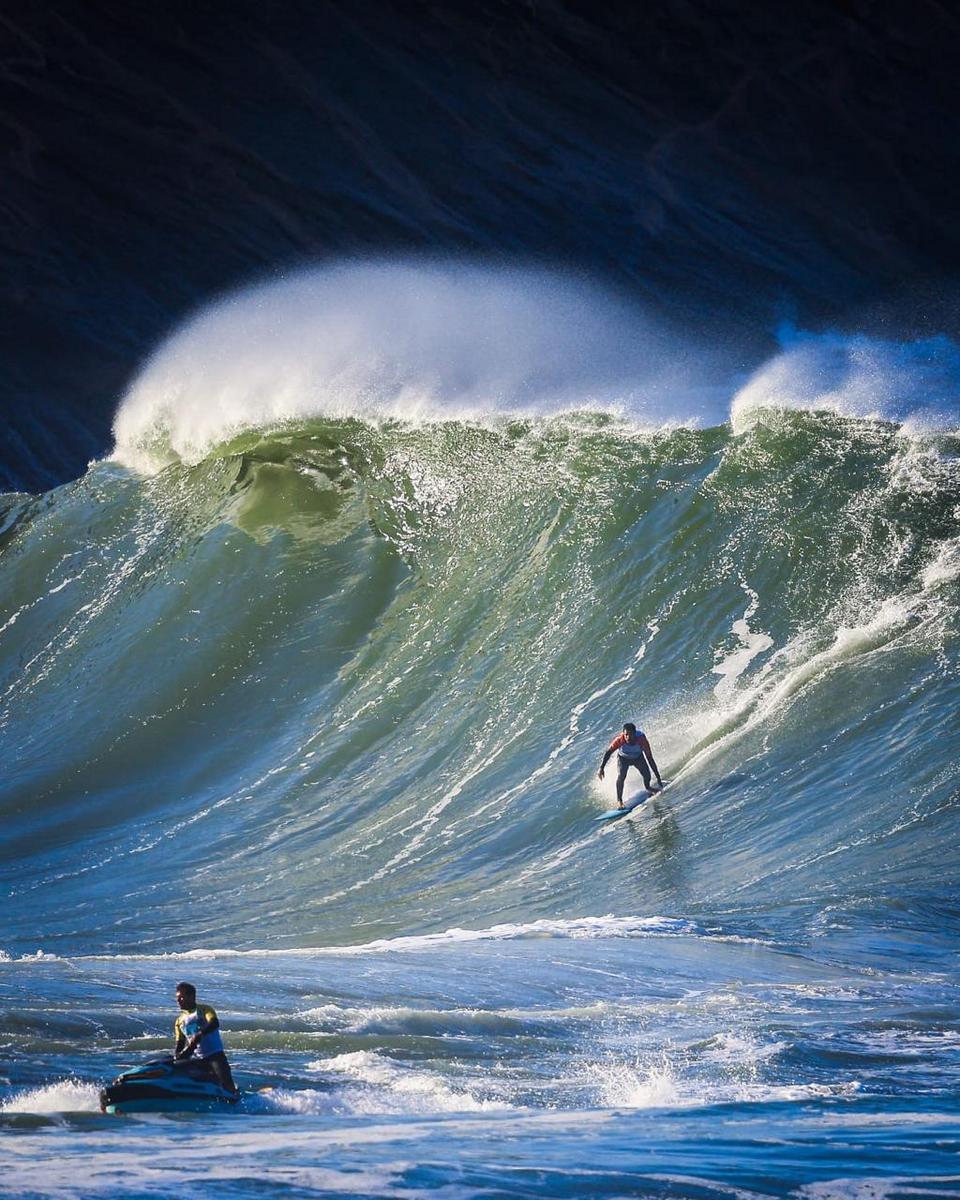
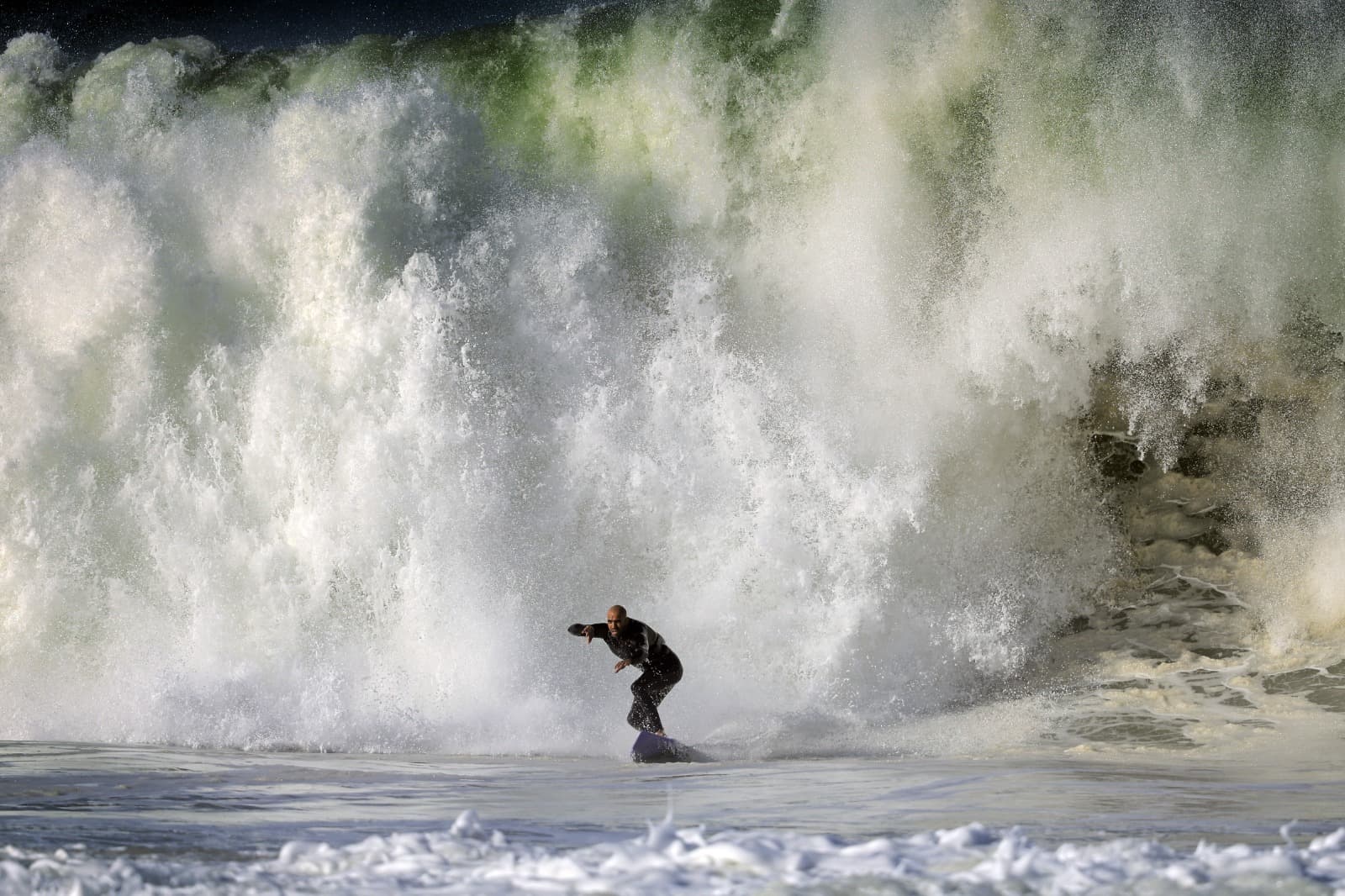
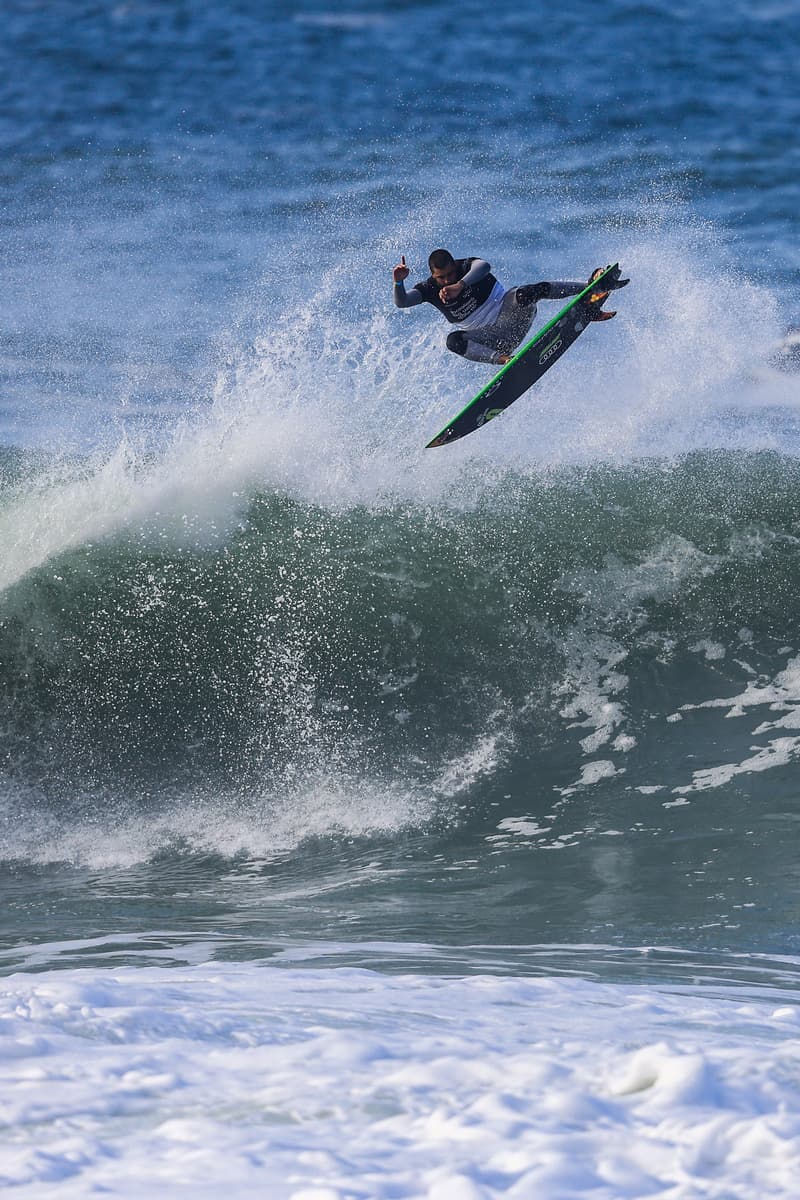
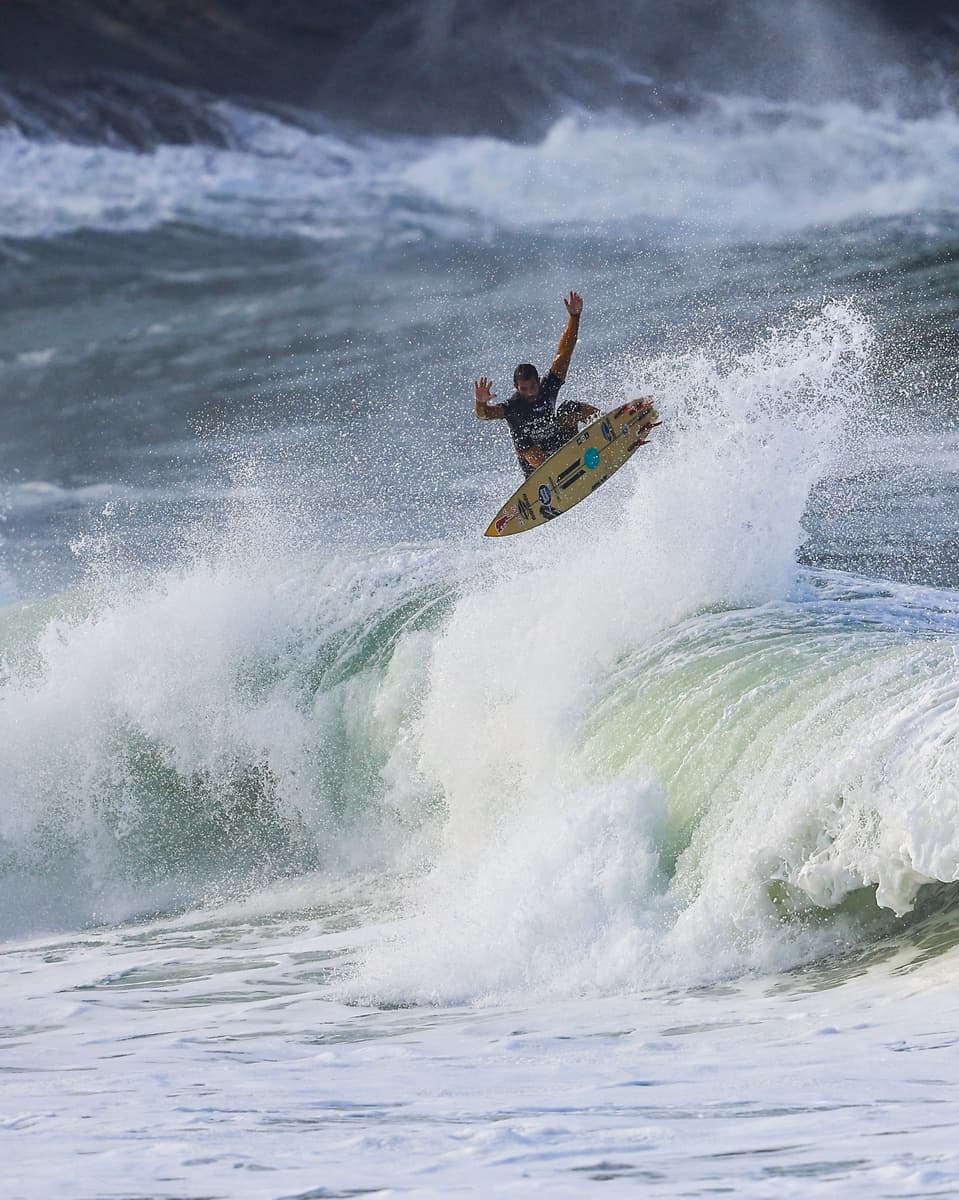
Below are some photos from surf sessions on the waves of Itacoatiara Beach, Brazil. Photos: Tony D’Andrea, courtesy of Itacoatiara Big Wave 2026:
 on your iPhone.
 on the bottom menu bar.
 .
. should appear on your phone's home screen as if it were an app. Use that icon to open the NazareWaves site.
 , tap the Menu (⋮) and select Add to Home screen.